
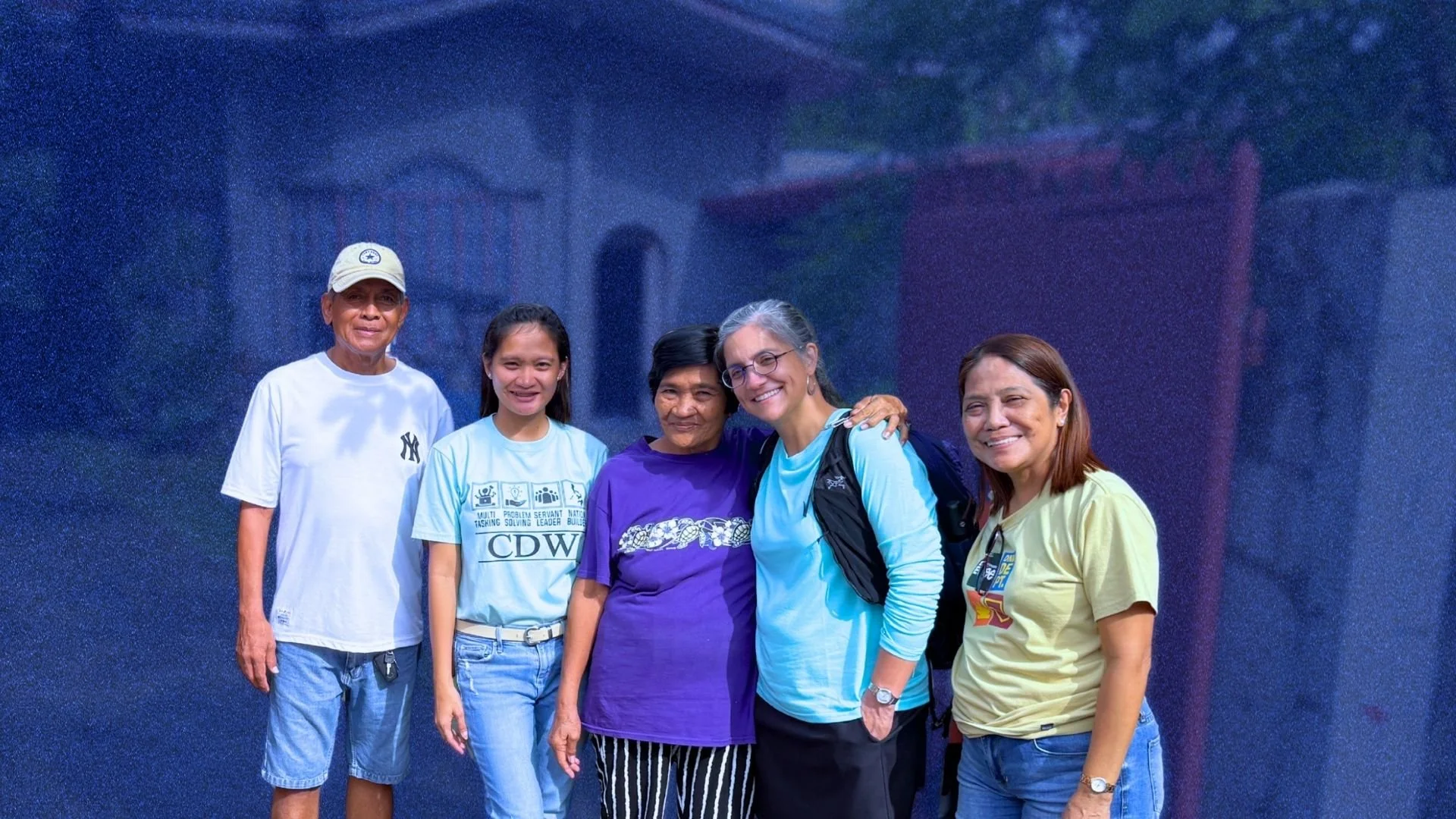
Reclaiming Filipinx Ancestral Power.
Leading With Our Shared Humanity.

ABOUT
We exist to nurture Filipinx American leaders who are redefining what it means to lead with a sacred purpose. If you are currently serving in faith-based spaces or have left the church behind to build a more liberating spirituality, Kapwa Praxis is for you.
When we unlearn harmful colonial paradigms of power and authority, we can replace them with ancestral truth, embody kapwa in our praxis, and guide our communities to repair, restore, and reclaim our relationships to land, faith, and each other.
Our Story
“I know how hard it is to be in the place that once held your calling but can no longer hold your becoming.”
For much of my life, I was searching for something I couldn't name.
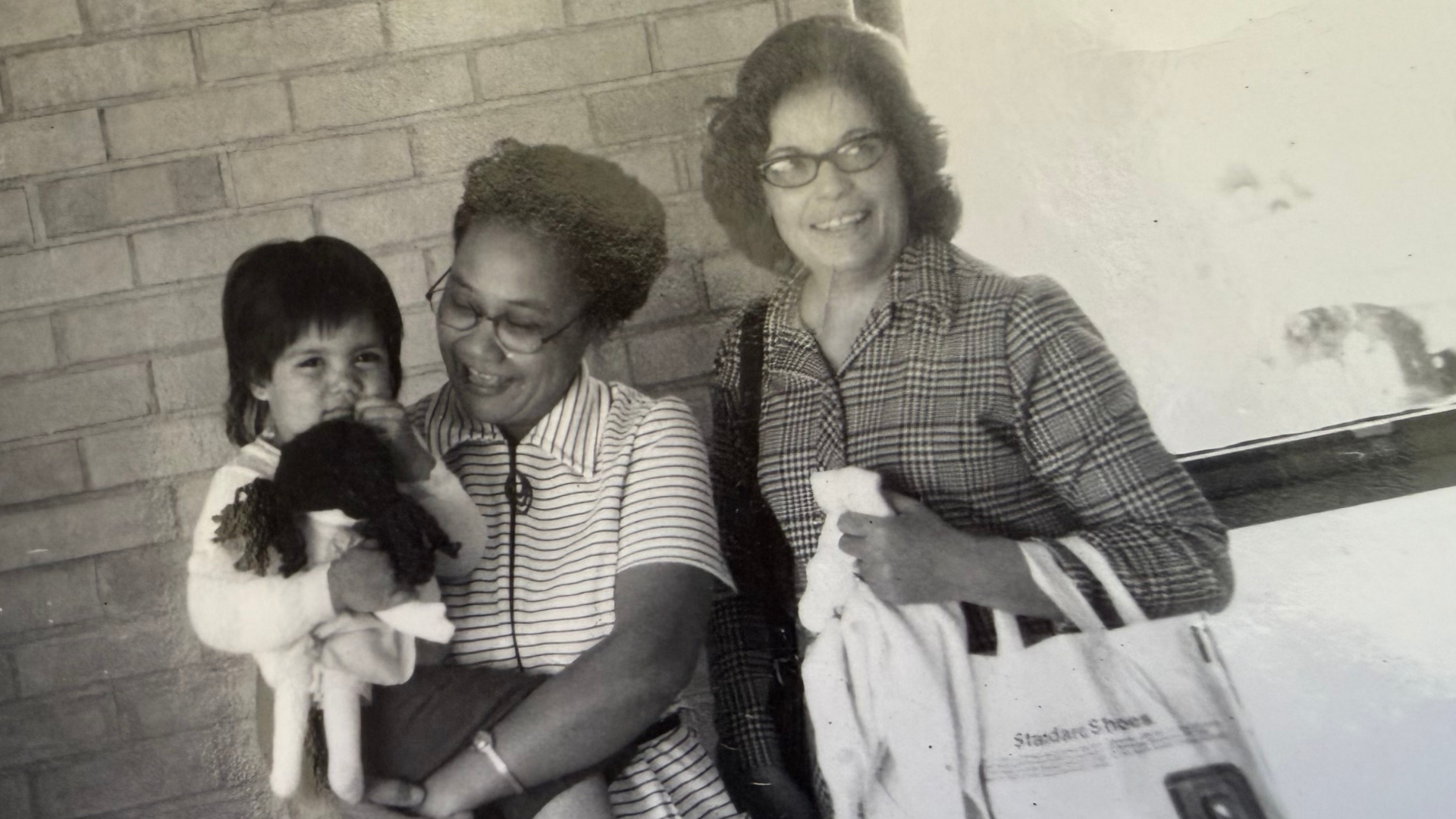
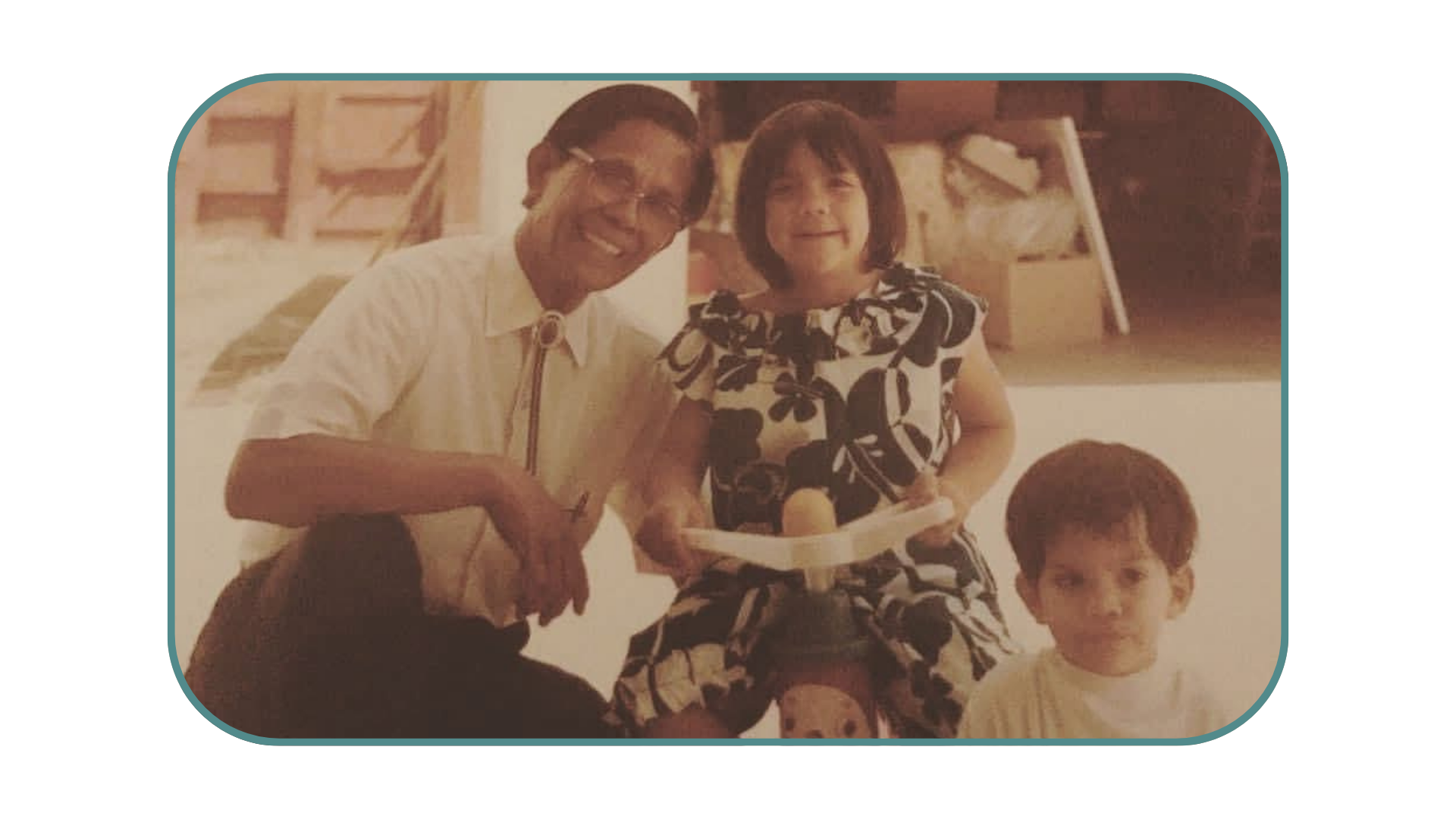
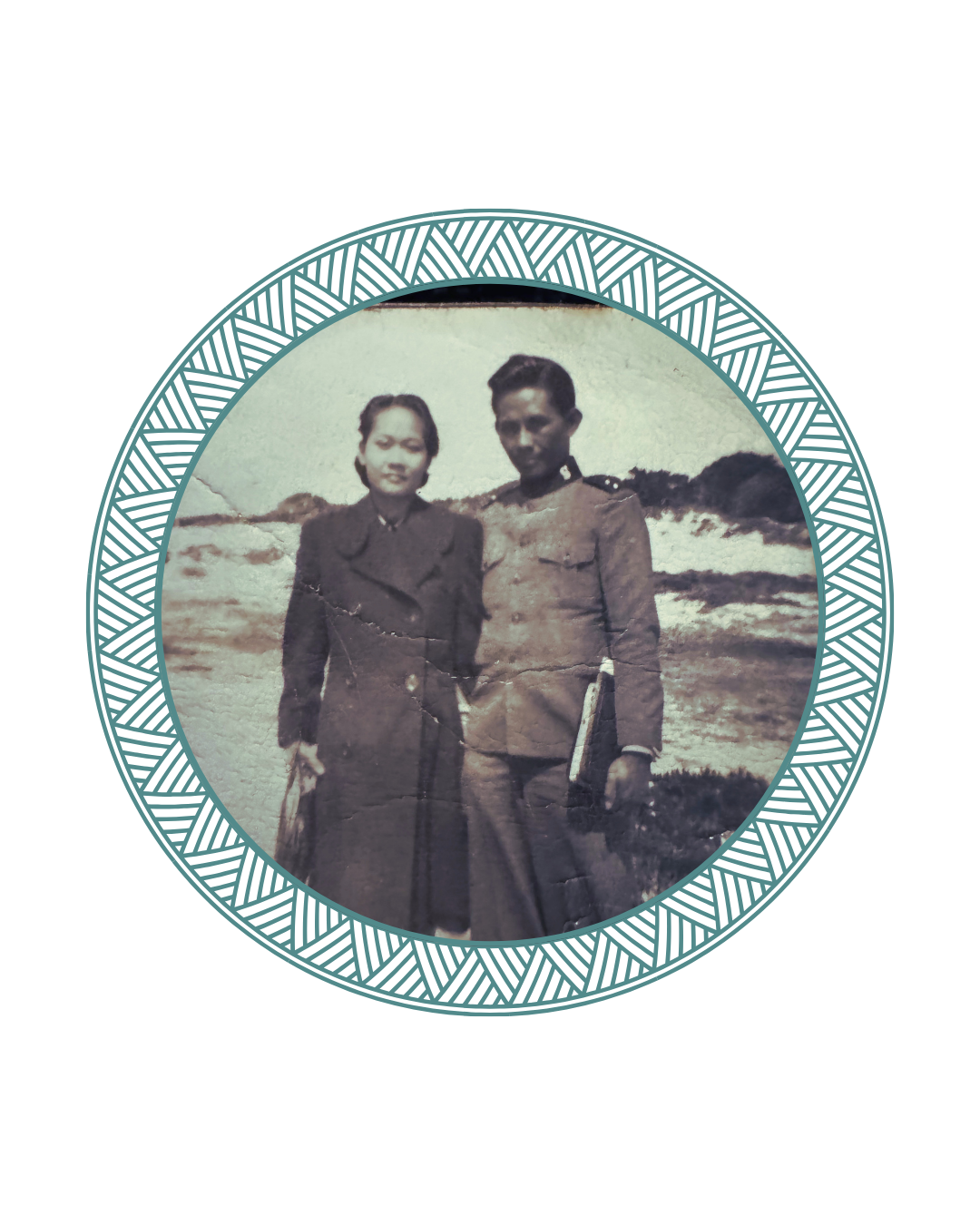
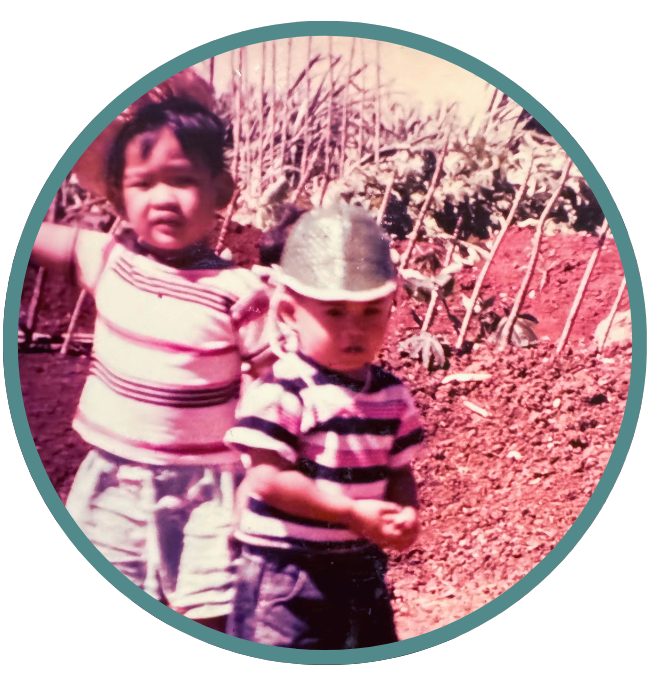
As the granddaughter of Ilocano and Pangasinan immigrants, I grew up in a household where the Philippines existed more as a distant memory than a living inheritance. Our family stories celebrated resilience and sacrifice but were largely silent about the violence of colonization that shaped them. I didn't grow up speaking Tagalog, and I certainly wasn't taught Kapwa, our ancestral understanding that our humanity is inseparable from one another.
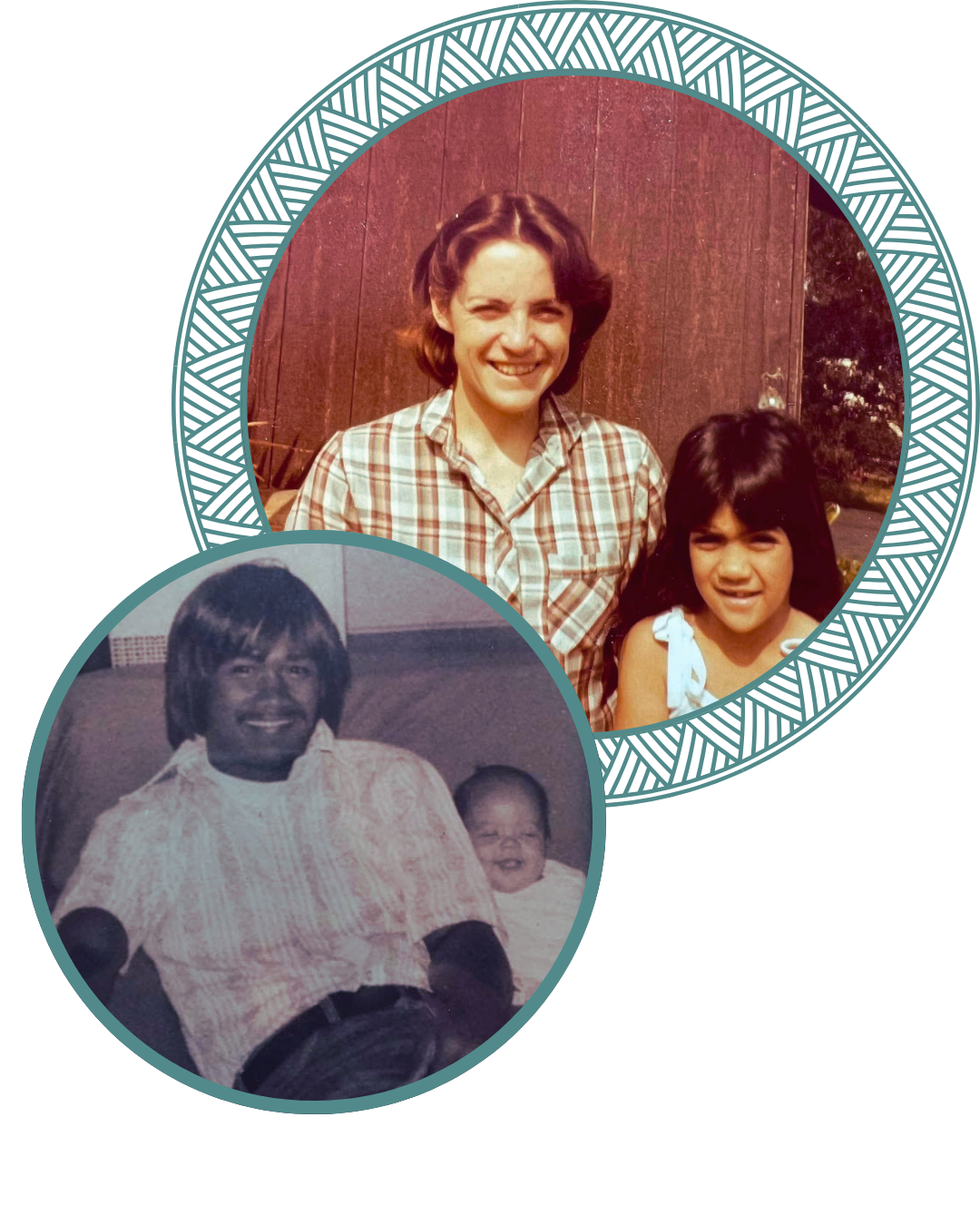
As the eldest daughter of an interracial family, I learned early how to move between worlds. I understood the language of privilege while also carrying the quiet responsibility of holding things together. Somewhere along the way, I became the family's problem-solver and the one who anticipated needs, achieved, produced, and made sure everyone else was okay. I became exceptionally good at succeeding in systems that were never designed with people like me in mind.
The Boardroom and the Pulpit
For twenty-four years, I excelled in those very systems, surviving twelve years in corporate finance and twelve years in Protestant ministry. Much of that time, I was also a single mother raising two children while navigating institutions that rewarded assimilation over authenticity. I measured my leadership against celebrated white, cisgender male models, believing success meant becoming more like them. I knew how to lead organizations, but I had not yet learned how to lead as myself.
Then the world stopped.
The Spark of Liberation
During the COVID-19 pandemic, the relentless pace that had defined my life came to an abrupt halt, exposing a profound isolation I had spent years outrunning. Around that same time, I joined an organization that supported women of color in leadership. In just one cohort, I found something I had never experienced before: safety. I was recognized as a "badass woman" faithfully leading in spaces where leadership often felt profoundly isolating. For the first time, I was surrounded by people who looked like me and who could name the same tensions I had carried for decades. They too experienced the exhaustion of navigating corporate and faith-based institutions, surviving the pressure to assimilate, and the longing to belong without abandoning ourselves.
Their stories became mirrors. In hearing them, I finally began hearing myself.
As my own voice grew stronger, I became increasingly willing to question harmful leadership practices and institutional decisions. Speaking honestly had consequences, and I was eventually asked to leave an organization I had faithfully served. While painful, that moment simply confirmed what I already knew. I could no longer return to the version of leadership that required my silence.
By then, liberation had already begun.
Reclaiming the Narrative
My search for answers led me to pursue a doctorate at Boston University, where my research focused on reclaiming Kapwa as a transformational leadership framework for Filipinx Americans. I traveled throughout the Philippines, listening to elders, scholars, theologians, and community leaders while asking the questions I had carried since childhood. What wisdom had survived beneath centuries of colonization? How might we bridge our ancestral ways of knowing with a faith rooted in the liberating teachings of Jesus?
That journey ultimately led me back to my own story. I discovered that reclaiming Kapwa was never simply an academic pursuit—it was an act of remembering. It affirmed that our stories are not peripheral to history. Our stories are how we preserve it.
Kapwa Praxis was born from that remembering.
My Mission Today
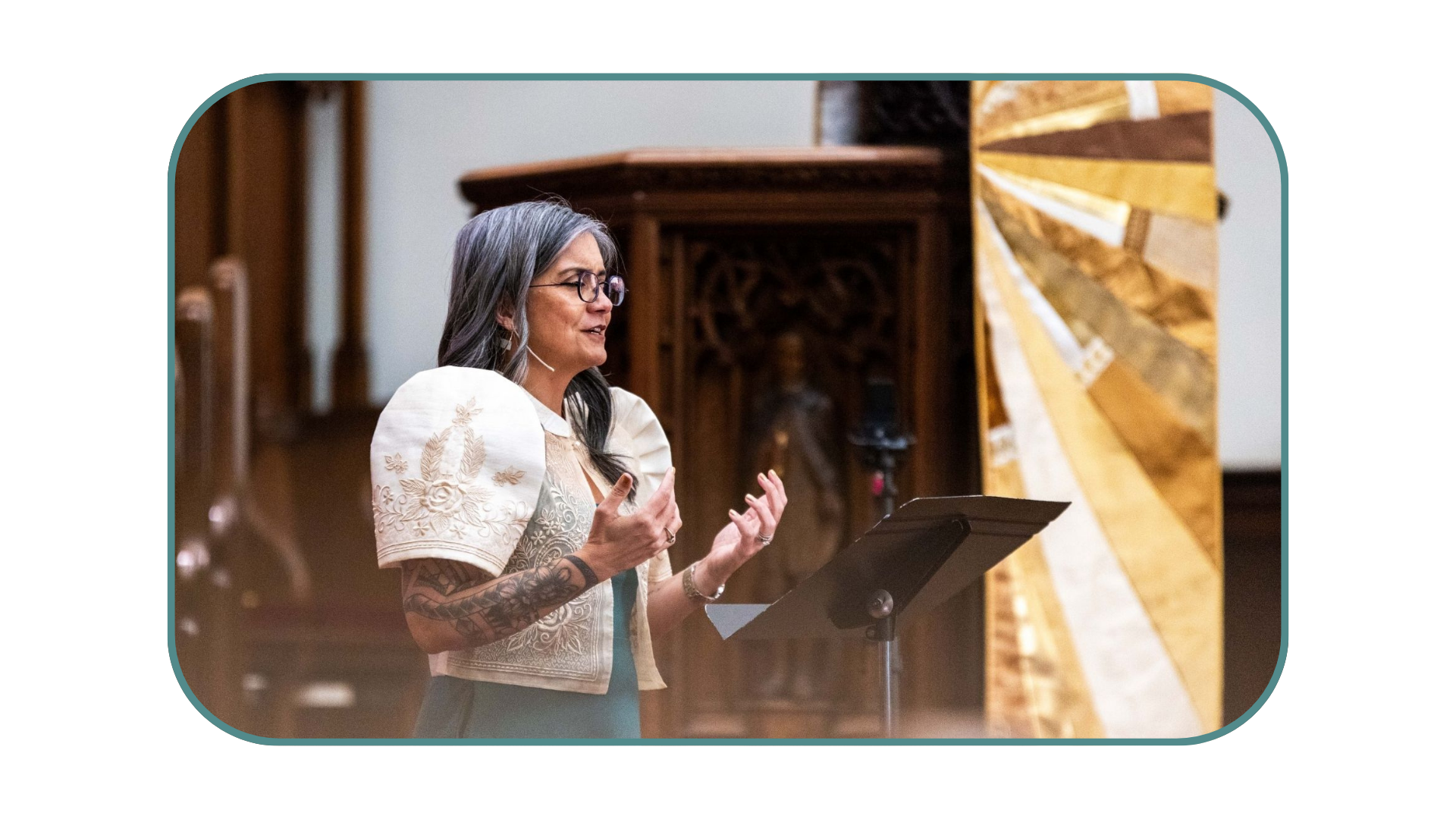
Today, I no longer describe myself primarily as an ordained clergyperson. I am a Kapwa-centered leader seeking to embody the liberating teachings of Jesus while reclaiming the ancestral wisdom colonialism taught us to forget.
I created Kapwa Praxis for Filipina/o/x American leaders who have spent years carrying everyone else's expectations while wondering where they belong. My hope is to offer the kind of space I once needed. A place where difficult questions are welcomed, ancestral wisdom is honored, healing is communal, and leadership is reimagined through shared identity rather than individual achievement.
Because I believe our greatest leadership doesn't emerge from becoming someone else. It begins when we remember who we have been all along.

Recognitions
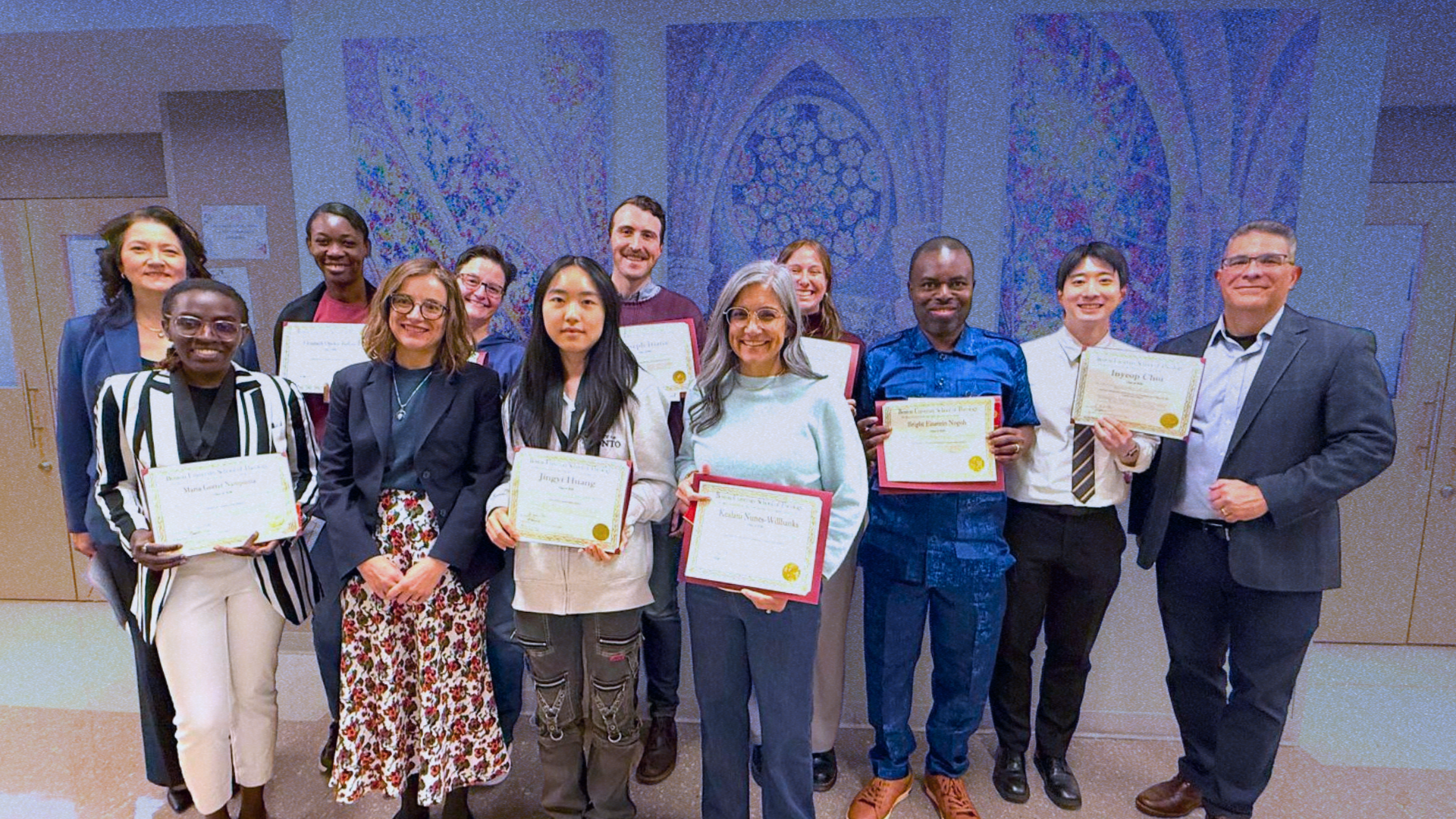
Student Leadership Awardee, Boston School of Theology 2026
As one of the eleven outstanding leaders honored, Kealani was awarded the Doctor of Ministry award. This distinction celebrates her exceptional leadership within the academic community and her unwavering commitment to driving transformational change in society.
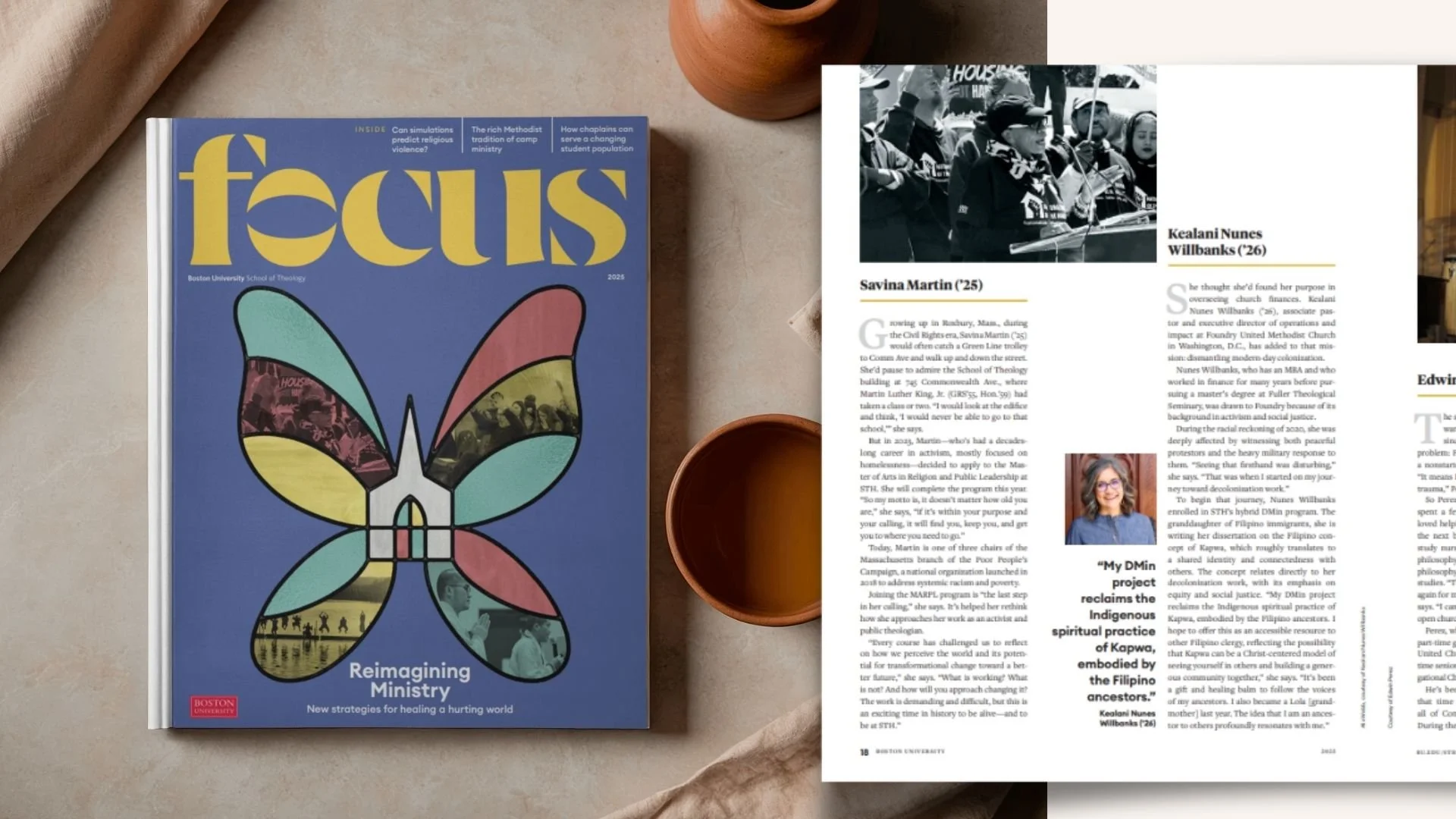
Featured in Focus Magazine, the annual publication of the Boston University School of Theology
“My [Doctor of Ministry] project reclaims the Indigenous spiritual
practice of Kapwa, embodied by the Filipino ancestors.”– Dr. Kealani Nunes Willbanks (’26)